Suspension & Chassis Breakdown: Honda FourTrax Rancher

Poway Powersports • San Diego

Suspension & Chassis Breakdown

A practical look at how the Honda FourTrax Rancher is built to ride, steer, stop, and carry the load.
Honda FourTrax Rancher ATV
Built for real work and real trails
Suspension travel, ground clearance, and chassis dimensions all shape how an ATV feels in San Diego backcountry terrain.
Quick chassis snapshot
Base price
$8,599
Front suspension
Independent double-wishbone
Rear suspension
Swingarm, single shock
Ground clearance
7.1 in
Wheelbase
50.0 in
View Current Availability
GET APPROVED NOW
Swingarm rear suspension

Suspension: what it means on the trail

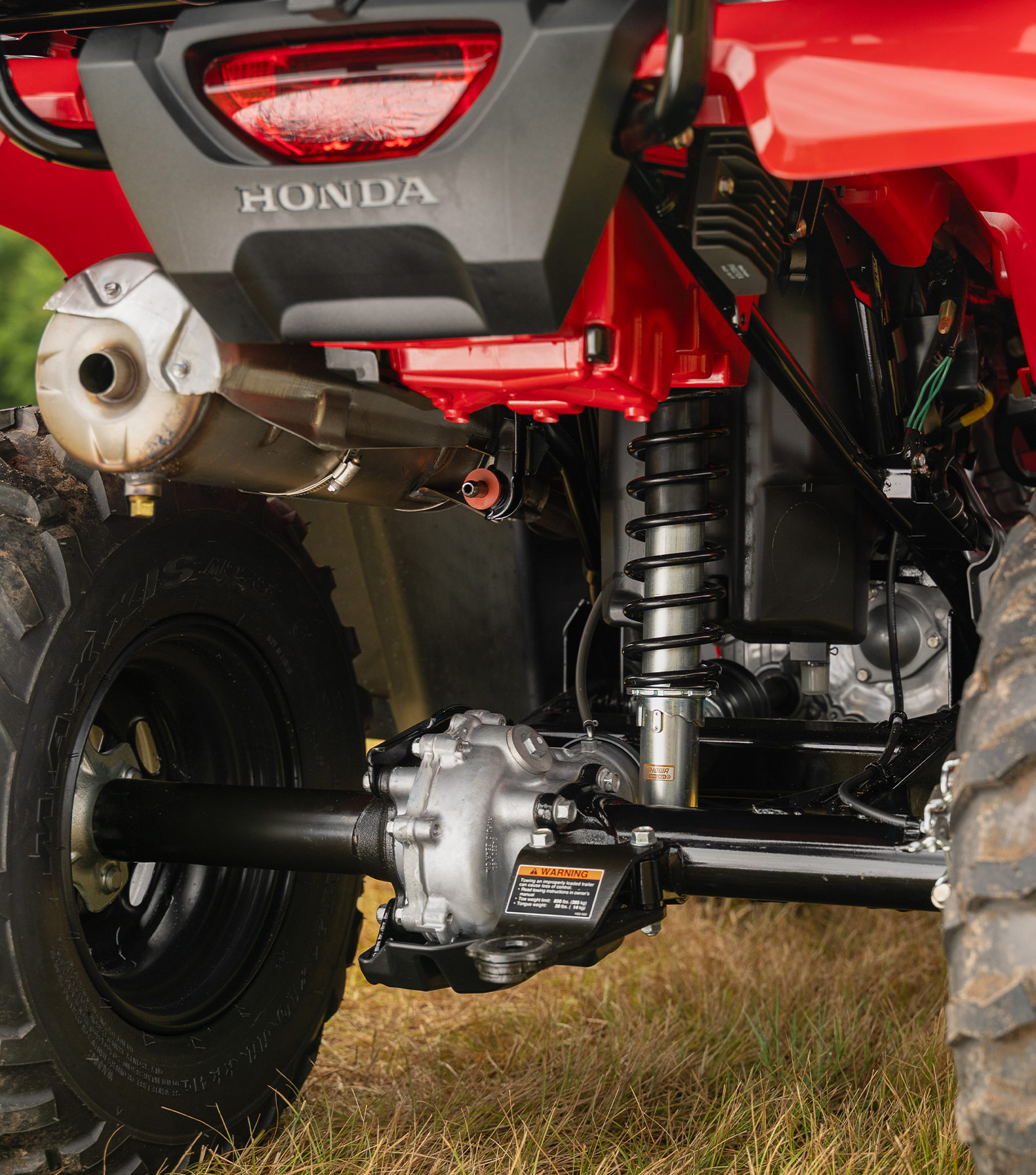
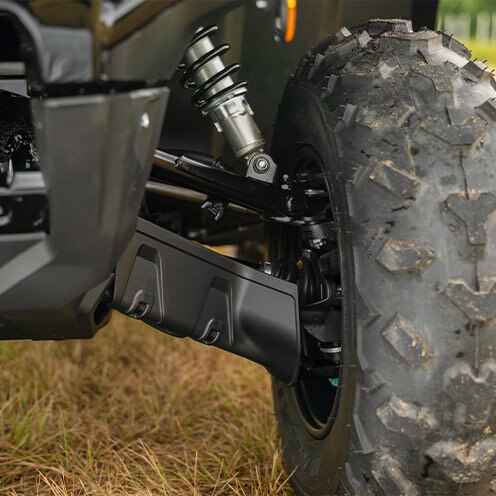
The FourTrax Rancher uses an independent double-wishbone front suspension and a swingarm rear suspension with a single shock. Both ends list 6.7 inches of travel, which helps the ATV track over ruts, rocks, and washboard without feeling harsh.

For San Diego riding, suspension travel and geometry matter most when you’re transitioning between hardpack, decomposed granite, and uneven two-track. The goal is predictable steering up front and steady traction out back—especially when you’re carrying gear on the racks or towing.
Front
Independent double-wishbone
6.7-inch travel
Rear
Swingarm, single shock
6.7-inch travel
Honda FourTrax Rancher side view

Chassis dimensions & ride position

A stable chassis starts with the numbers. The FourTrax Rancher lists a 50.0-inch wheelbase, 47.4-inch width, and 7.1 inches of ground clearance. Add a 33.6-inch seat height and you get a riding position that’s easy to manage when you’re moving around on the machine—standing for rough sections or shifting weight for traction.

If you’re planning to use your ATV for property work, trail exploring, or a mix of both, these measurements help you judge how it will fit your storage space, trailer, and typical terrain.
Length
82.8 in
Height
46.2 in
Width
47.4 in
Turning radius
9.2 ft
Seat height
33.6 in
Curb weight
642 lb
Shaft drive

Driveline protection

The Rancher lists direct front and rear driveshafts with a torque-sensitive locking front differential. For chassis confidence, that means fewer exposed moving parts compared to chain-driven setups.
TraxLok

Traction & steering feel

Chassis control isn’t just suspension—how power gets to the ground matters too. A front differential designed for traction can help the ATV stay composed when surfaces change quickly.
Wide front driveshaft guards

Underbody considerations

With 7.1 inches of ground clearance, line choice still matters in rocky areas. Guards and smart routing help reduce the chance of trail debris becoming a problem.

Brakes, tires, and what to expect

Braking hardware (listed)
  • Front brakes: Dual 190mm discs
  • Rear brake: 160mm drum
For mixed-use riding, front disc braking helps with consistent feel, while the rear setup supports controlled stops when descending or maneuvering at low speed.
Tire sizing (listed)
  • Front tires: 24 x 8-12
  • Rear tires: 24 x 10-11
Tire width and diameter influence steering effort, stability, and how the ATV floats over softer sections. If you plan to add accessories or carry cargo, tire choice can be a smart place to fine-tune feel.

Utility loads that affect ride

When you add weight, the chassis works harder. Here are the listed capacities that can change how the ATV sits and handles:
Towing capacity
848 lb
Fuel capacity
3.9 gal
Front rack
66 lb
Rear rack
133 lb
Tip: If you’ll frequently load the rear rack or tow, ask our team about setup and maintenance habits that keep handling consistent over time.
Ready to make this Rancher yours?
Check current availability online, then get pre-approved in minutes. Our Poway Powersports team is here to help you choose the right setup for how you ride in San Diego.