
Honda CBR1000RR-R Fireblade SP Suspension & Chassis Breakdown
Suspension & Chassis Breakdown
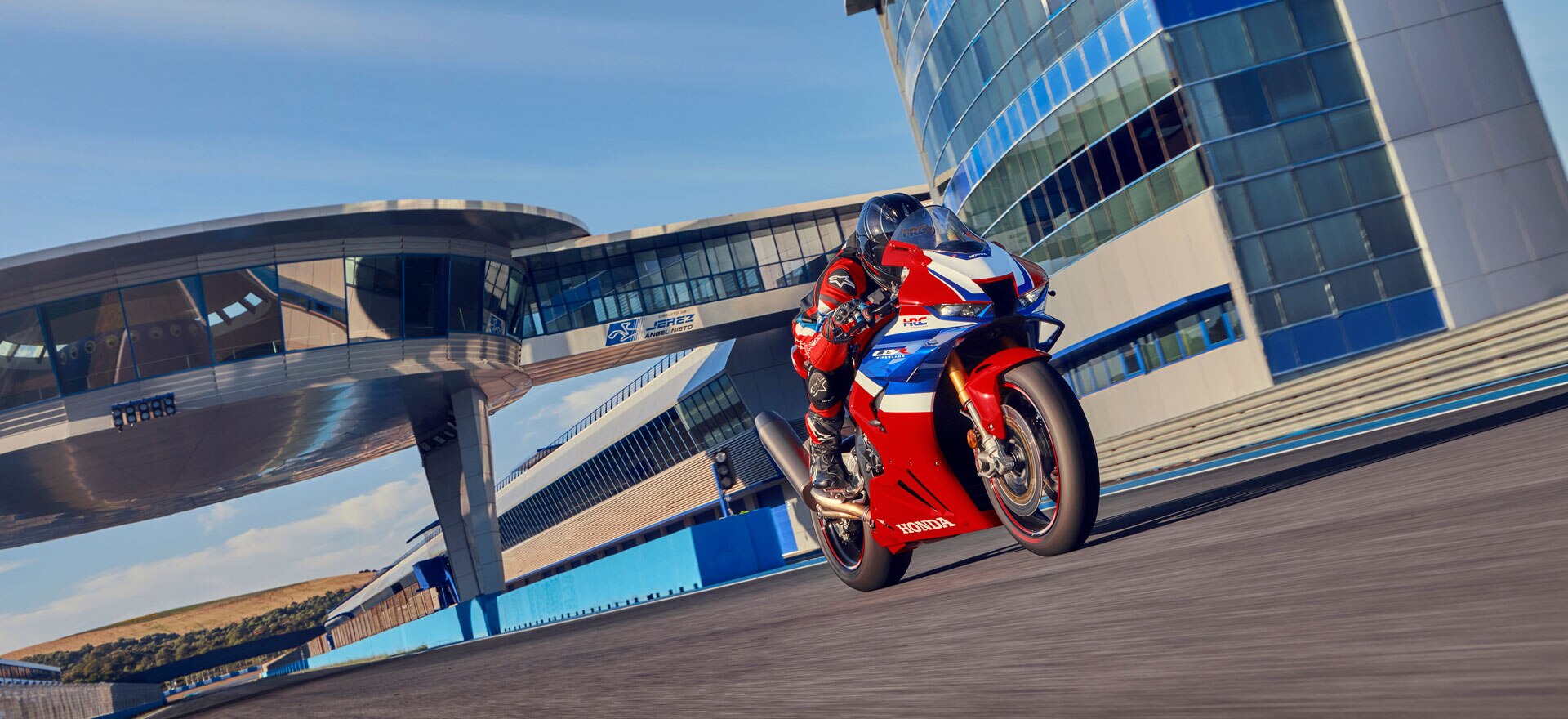
What this page covers
- How smart suspension supports braking, turn-in, and drive out
- Why a twin-spar frame and long swingarm matter for stability
- How compact packaging helps weight placement and feedback

Suspension: smart control for real-world pace changes
Öhlins smart suspension
The Fireblade SP is equipped with Öhlins smart suspension, designed to help the bike stay composed as loads shift—hard braking into a corner, quick direction changes, and acceleration on exit. The goal is consistent tire contact and predictable feedback so you can focus on your line and inputs.
Why it matters on the street
Even if your riding is mostly canyon roads around San Diego, suspension quality shows up everywhere: stability over mid-corner bumps, confidence when trail braking, and a planted feel when you roll on the throttle. A well-controlled chassis can make a high-performance sport bike feel less demanding and more precise.

Chassis layout: built for stability and feedback
Twin-spar frame
A twin-spar frame is a proven sport-bike approach for delivering direct steering feel and a solid connection between the front end and swingarm pivot area. The result is a platform that can feel precise when you’re leaning on the front tire and asking for accurate turn-in.
Long swingarm + compact packaging
Honda highlights a long swingarm paired with a short engine and compact overall chassis. In practice, this kind of packaging is aimed at improving stability under acceleration while keeping the bike responsive when you transition from side to side.
Braking support (and why it ties into chassis feel)
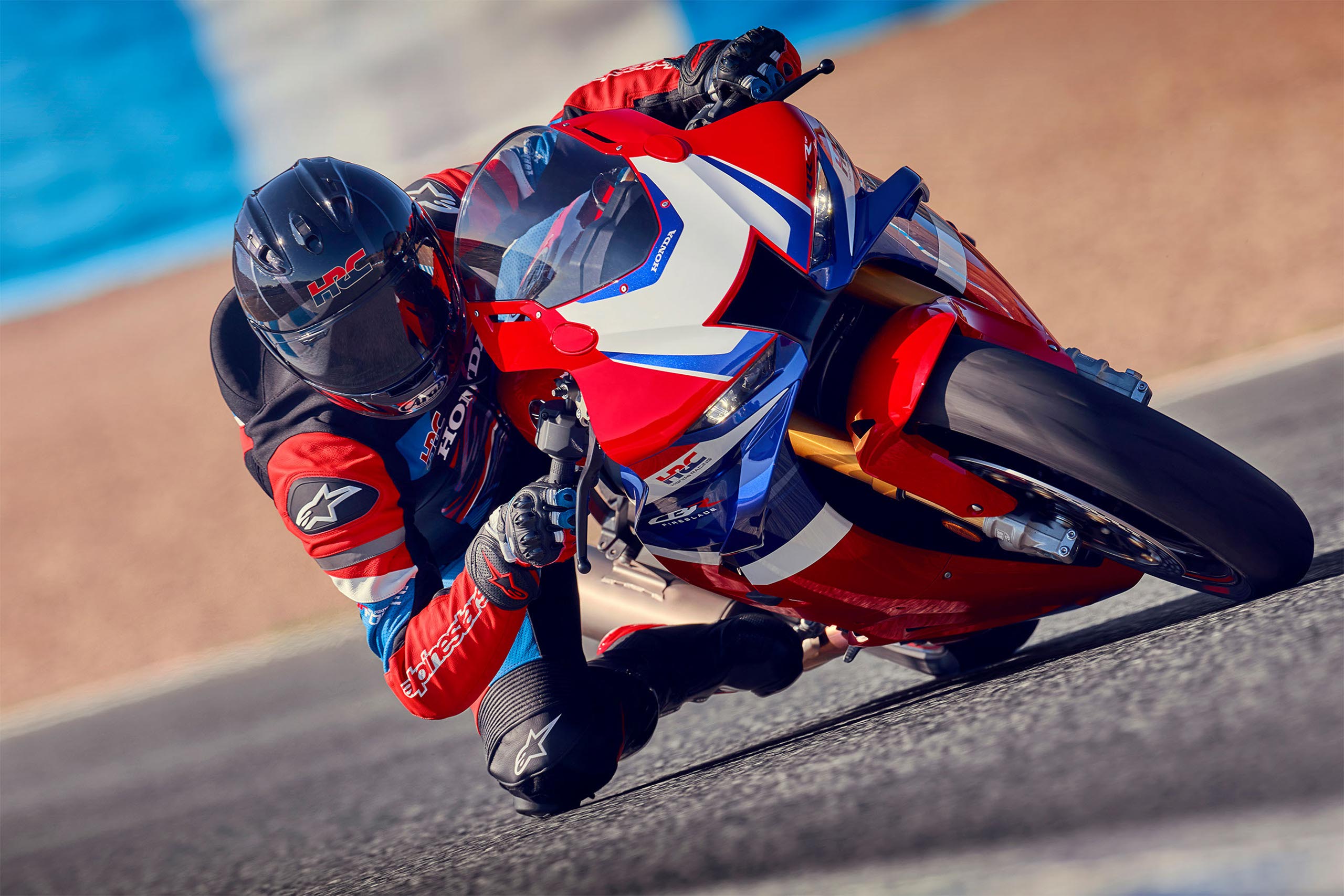
Chassis confidence isn’t just about the frame—it’s also about how the bike behaves when you’re on the brakes. The Fireblade SP features Brembo brakes, and strong, consistent braking performance helps the suspension and chassis do their job: manage weight transfer, keep the bike settled, and maintain accurate steering as you approach the apex.
