
Honda PCX160 Suspension & Chassis Breakdown | Poway Powersports
Poway Powersports • San Diego
Suspension & Chassis Breakdown
2025 HONDA PCX160

Wheels & Tires
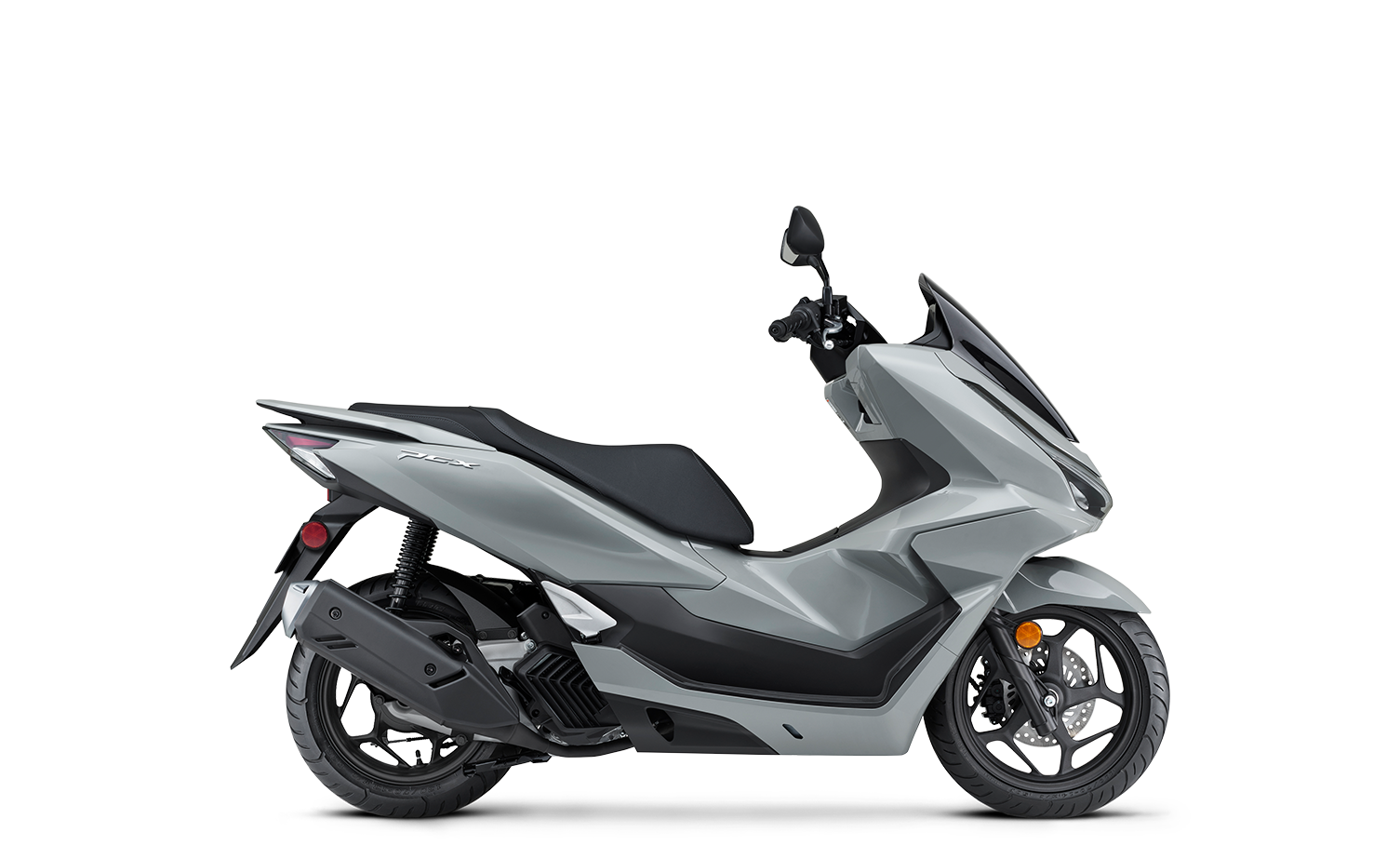
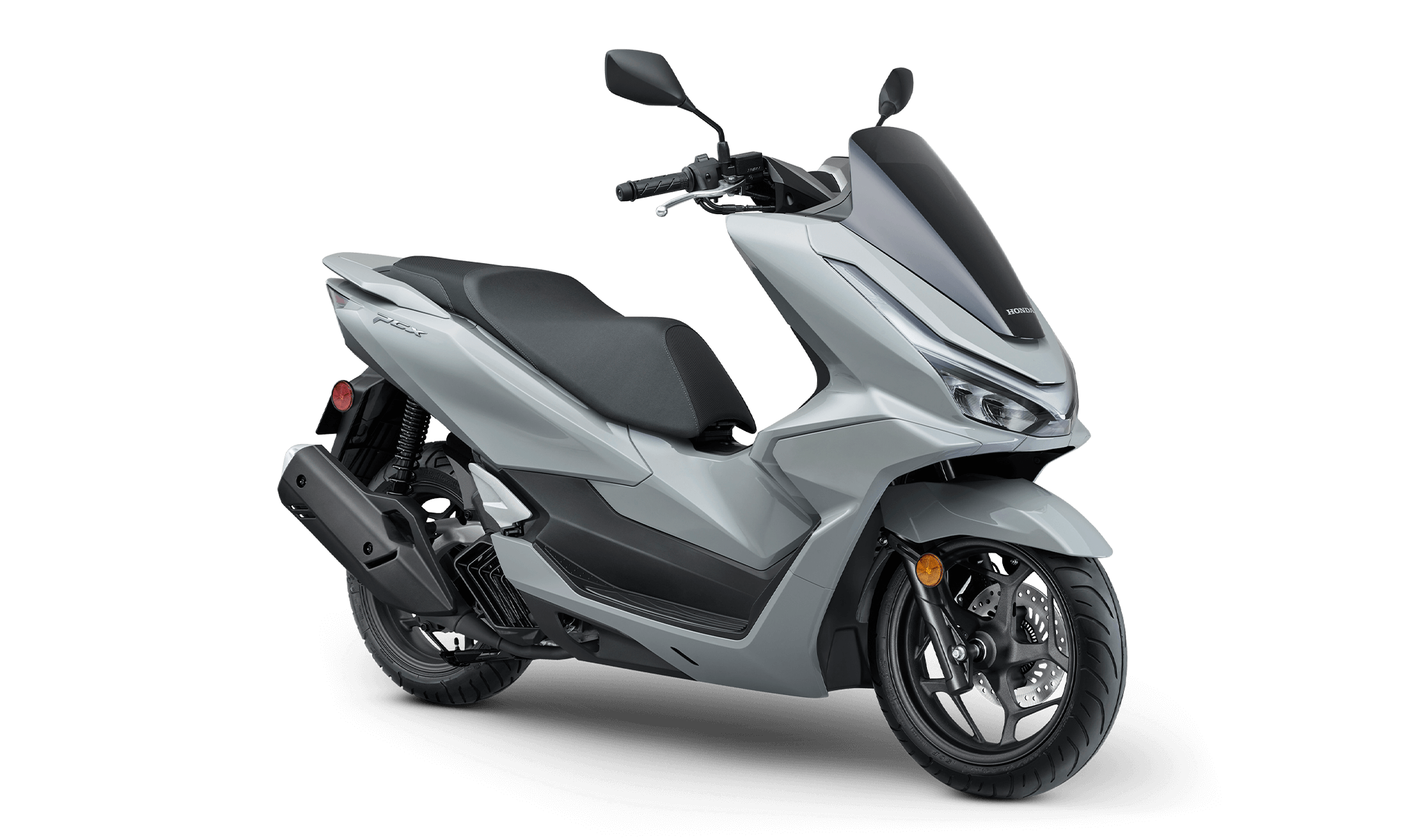
Tire sizing affects both comfort and agility. The PCX160 runs a larger front wheel for stability with a slightly smaller rear for responsive acceleration and packaging.
Front tire
110/70-14
Rear tire
130/70-13
Brakes & Confidence
For stop-and-go traffic, predictable braking matters. The PCX160 uses a single 220mm front disc with ABS and a 140mm rear drum—a practical combination for everyday riding.
Front brake
220mm disc; ABS
Rear brake
140mm drum
FAQ: Suspension & Chassis
Does the PCX160 have ABS?
Yes—its front brake is a single 220mm disc with ABS.
How much suspension travel does it have?
Front: 3.9 inches. Rear: 3.7 inches.
What are the tire sizes?
Front: 110/70-14. Rear: 130/70-13.
Is it easy to manage at stops?
The seat height is 30.1 inches, which helps many riders feel comfortable putting a foot down in traffic.