
2024 KTM RC 8C Suspension & Chassis Breakdown | Poway Powersports
2024 KTM RC 8C
Suspension & Chassis Breakdown
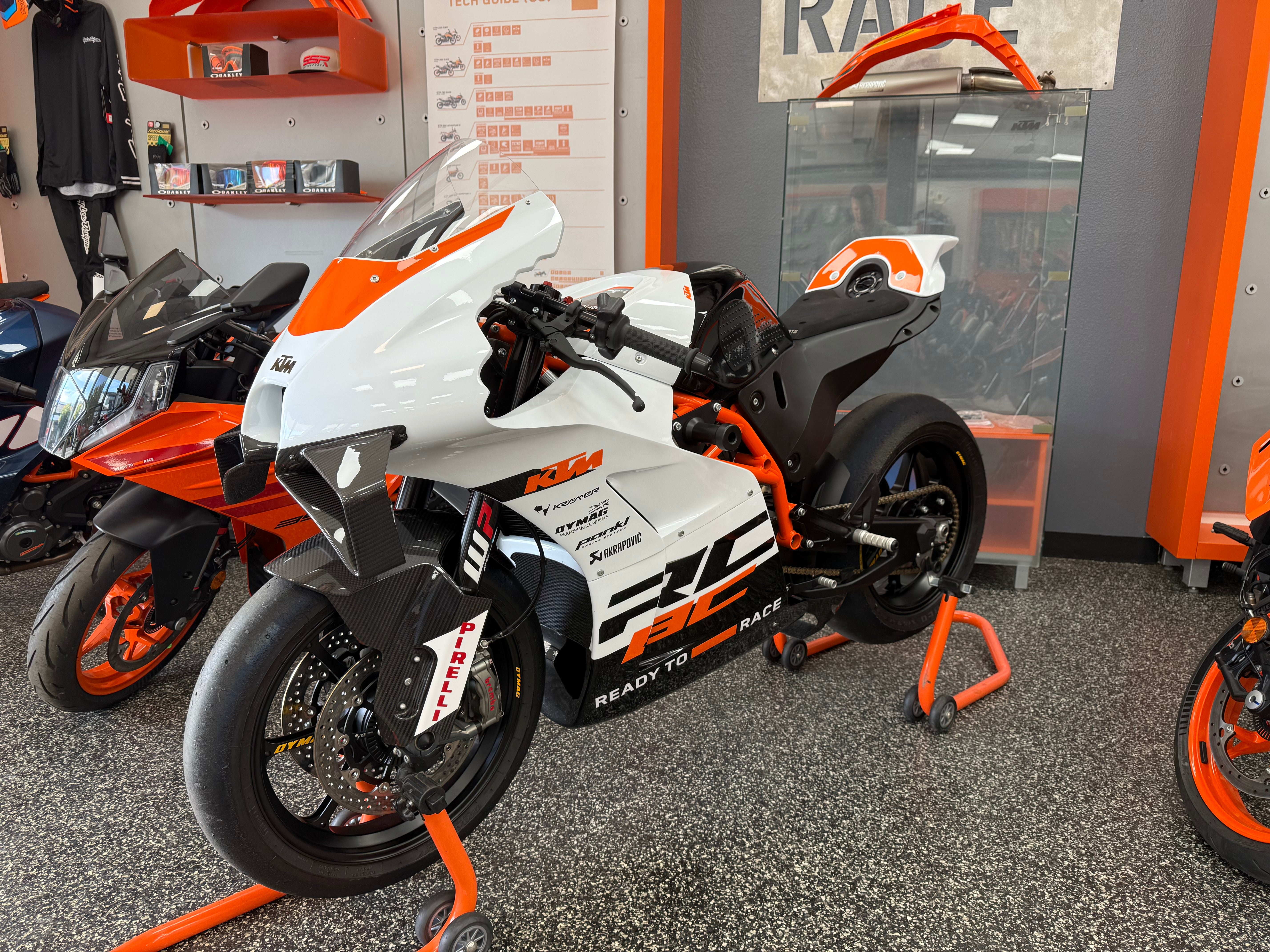
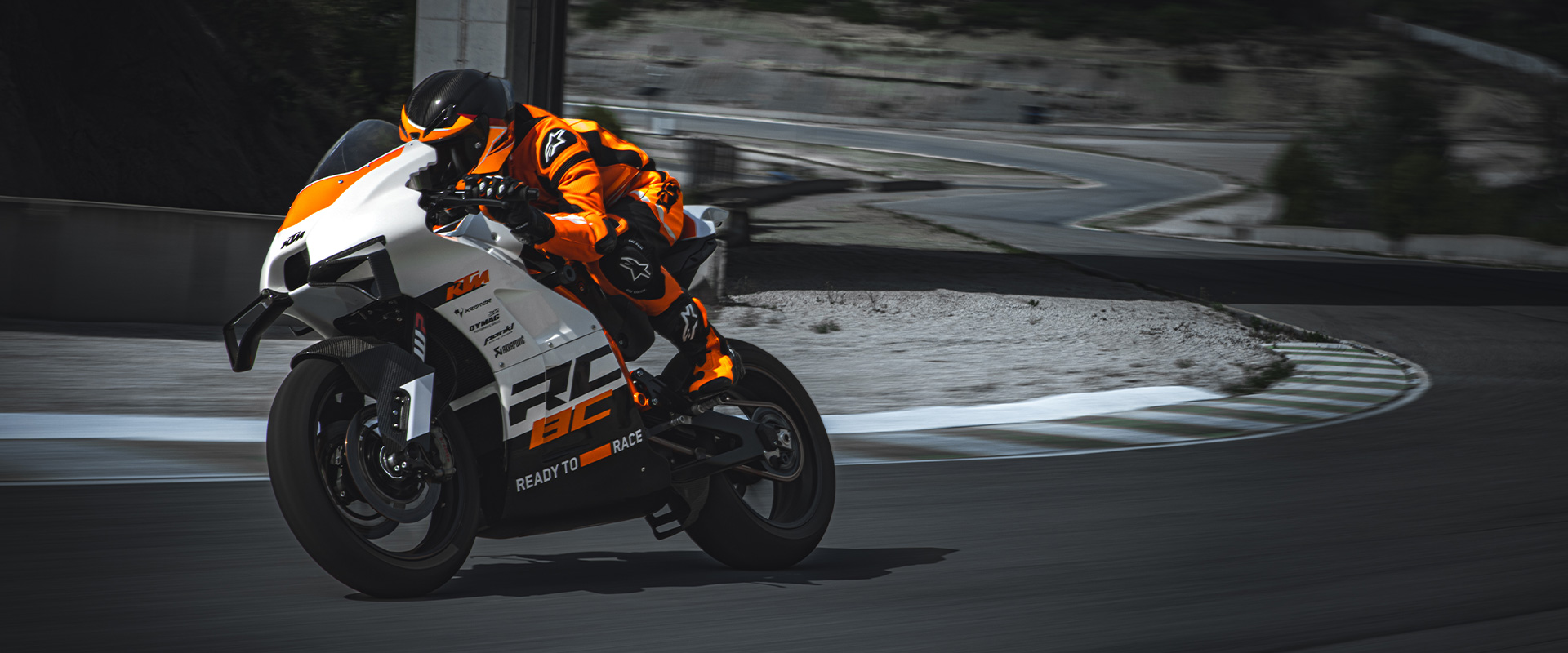
How the chassis feel translates on track
A well-sorted sport bike chassis does three things at once: it communicates grip, it holds a line, and it stays calm under braking. When riders talk about “confidence,” they’re usually describing how predictable the front contact patch feels when you trail brake into a corner and how stable the bike remains when you pick up the throttle.
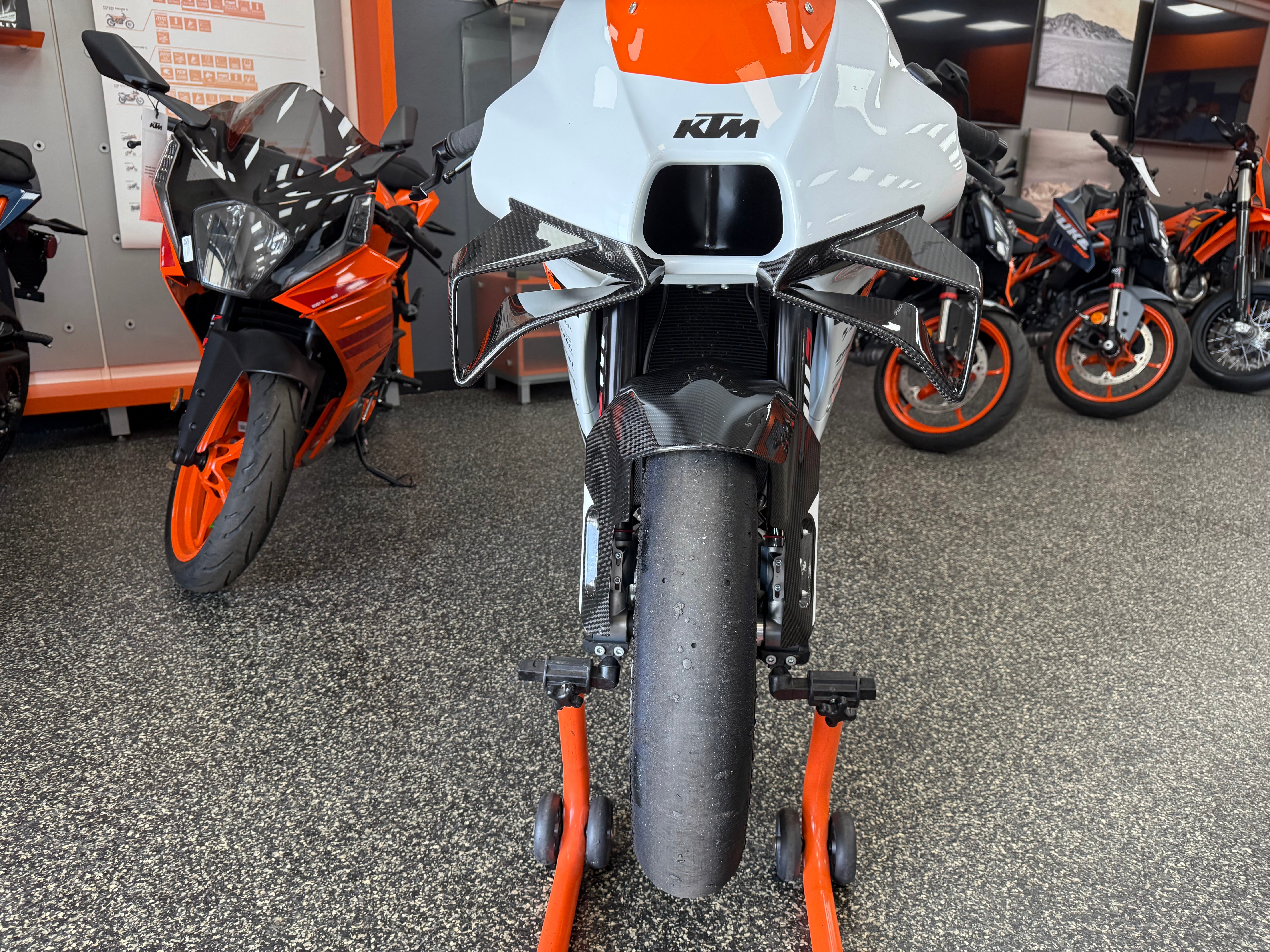
On the RC 8C, think of suspension tuning as a balance between support (resisting dive/squat) and compliance (keeping the tire in contact over bumps and curbing). The right setup depends on pace, tire choice, and track surface—so the goal is to start with a sensible baseline and make small, repeatable changes.
Suspension tuning: what to adjust (and why)
Preload (ride height & attitude)
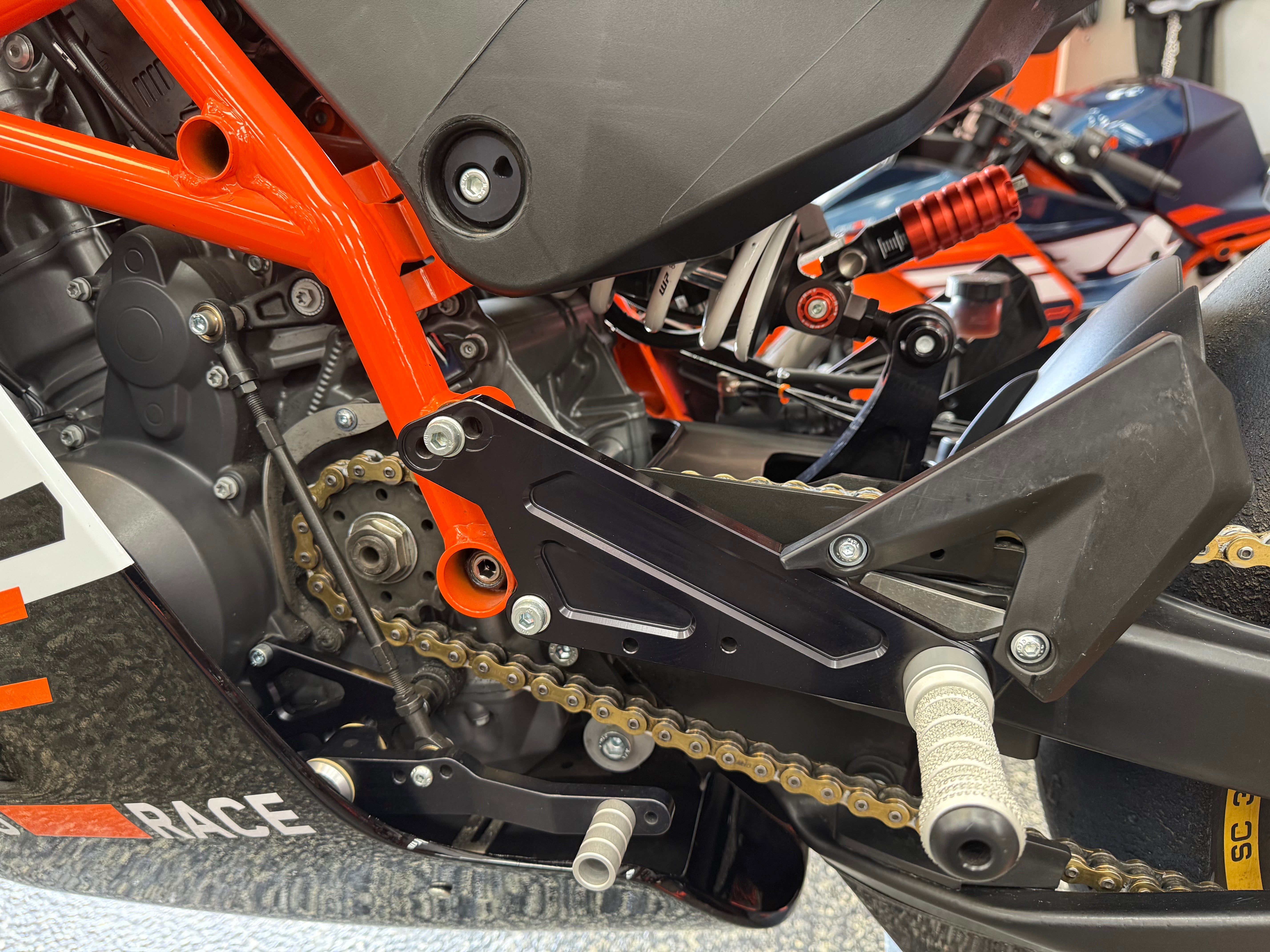
Preload changes how much the suspension sits into its travel. More front preload can add support and sharpen steering feel; less can improve compliance but may increase dive. At the rear, preload influences squat and how quickly the bike finishes a corner. Make changes in small steps and keep notes so you can always return to your baseline.
Compression damping (support under load)
Compression damping controls how quickly the suspension compresses when you brake, hit a bump, or load the tire. Too much can feel harsh and reduce grip over ripples; too little can feel vague and allow excessive movement. If the bike feels nervous on corner entry, evaluate front compression and overall balance before chasing tire pressure.
Rebound damping (control on release)
Rebound damping manages how quickly the suspension extends after being compressed. Too much rebound can “pack down” over successive bumps and make the bike run wide; too little can feel bouncy and unsettled. A good rebound setting helps the tire stay planted as you transition from braking to throttle.
Geometry balance (front vs. rear)
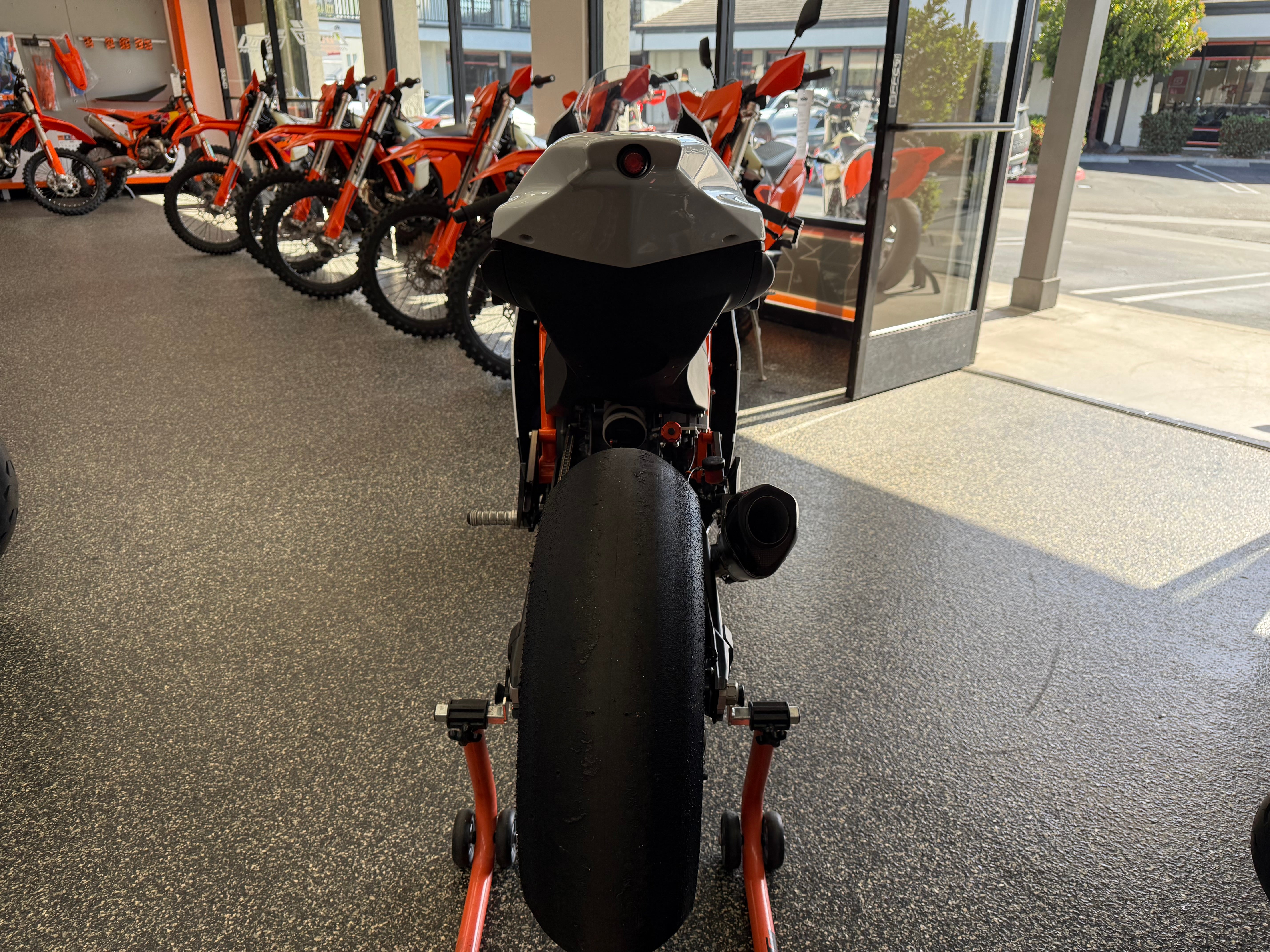
Chassis balance is the relationship between front and rear ride height and damping. If the bike turns quickly but feels twitchy, you may need more stability (or less front bias). If it’s stable but reluctant to change direction, you may need more agility. The best setups feel neutral: easy turn-in, steady mid-corner, and predictable drive out.
A simple track-day setup checklist
- Start with a baseline: Set your clickers to a known starting point and verify everything is even side-to-side.
- Warm the tires and suspension: Make changes only after a few consistent laps so feedback is reliable.
- Change one thing at a time: One adjustment, one session, then evaluate. This prevents chasing your tail.
- Prioritize the front: If the front end doesn’t talk to you, confidence disappears. Address entry feel before exit drive.
- Write it down: Track surface, temperature, and your settings. Your notes become your fastest shortcut next time.
Tip: If you’re new to suspension tuning, aim for “calm and predictable” first. Once the bike is stable and communicates grip, you can fine-tune for sharper direction changes.
Explore the full RC 8C guide
Use the links below to compare performance, features, and local buying info—then jump back to the main listing when you’re ready.
FAQ: Suspension & chassis
Product update
For the most up-to-date details (photos, availability, and the current base price of $29,875), use the main product listing. If you’re comparing options, the supporting pages linked above can help you narrow down what matters most for your riding style.
Ready to make the RC 8C yours?
Check current availability at Poway Powersports in San Diego, then start your financing application online when you’re ready.