
Honda Pioneer 700 Suspension & Chassis Breakdown | Poway Powersports
Suspension & Chassis Breakdown: Honda Pioneer 700
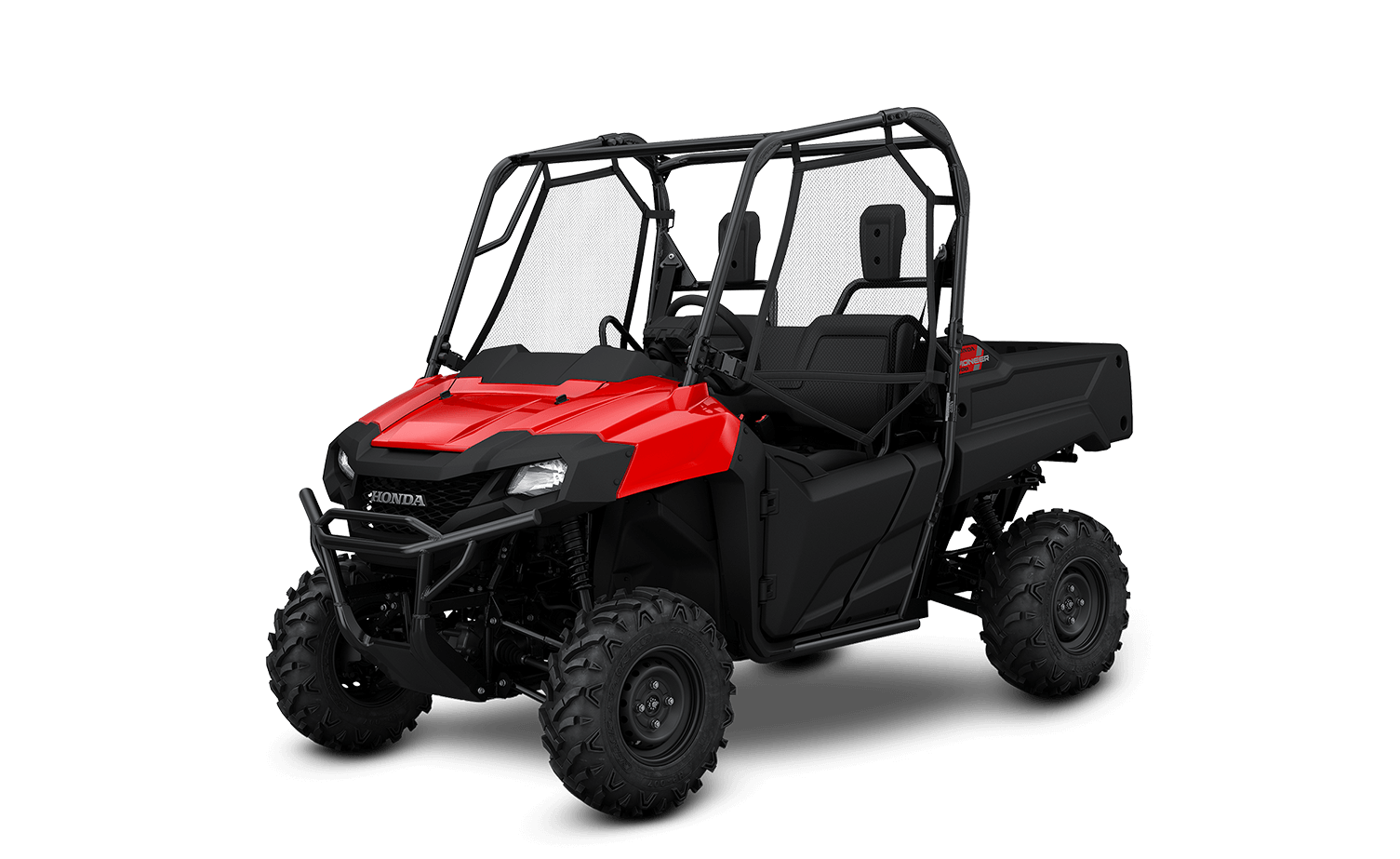
Quick chassis highlights
How the suspension setup affects real-world ride
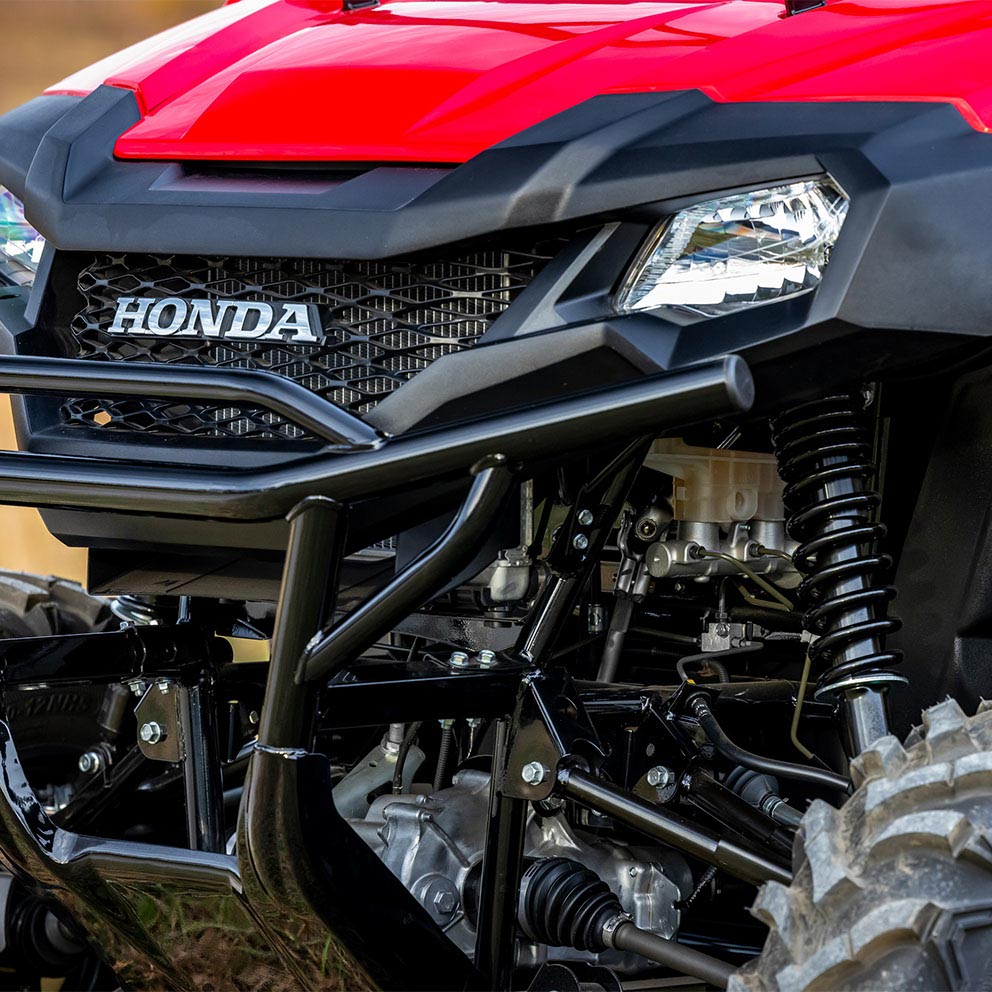
The Pioneer 700 uses independent double-wishbone suspension at both ends. In practical terms, each wheel can move more independently over uneven terrain, helping the chassis stay composed when you’re crossing washboard, climbing through ruts, or carrying gear. The front offers 7.9 inches of travel, while the rear provides 9.1 inches of travel—useful when the bed is loaded or when the trail gets choppy.
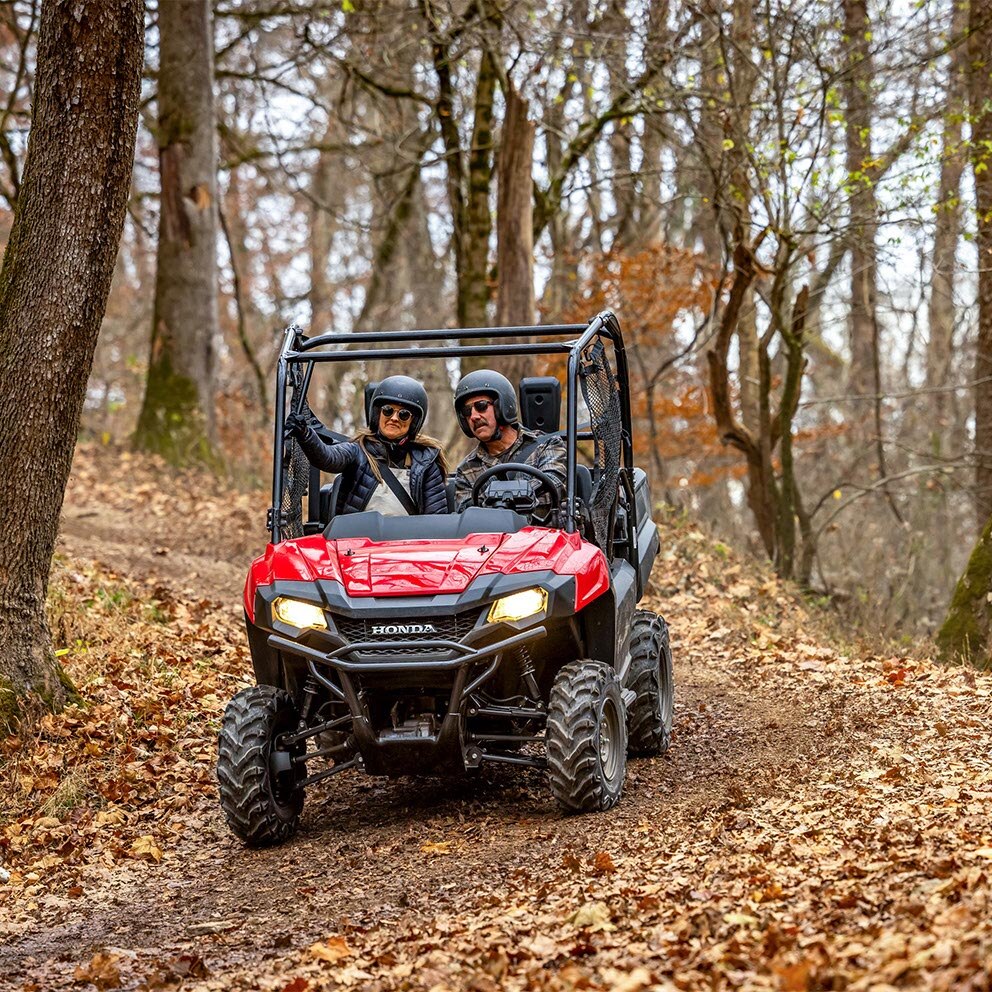
If you’re riding around San Diego’s mix of hardpack, rocky sections, and occasional sand, this type of suspension is a solid all-around choice: predictable steering feel up front and supportive control in the rear when the terrain changes quickly.

Chassis dimensions & handling notes
These numbers help paint the picture of how the Pioneer 700 feels: stable enough for utility tasks, yet maneuverable for trail turns. If you want to tailor the ride further, the rear preload adjustment is a great place to start—especially if your typical day includes a mix of empty-bed cruising and loaded-bed work.